4 LinkedIn Mistakes College Students Make and How to Fix Them
May 13, 2026
Are you a college student wondering why recruiters aren't reaching out or responding to your connection requests?
The problem is not your qualifications.
It is your LinkedIn profile.
After reviewing thousands of college students’ LinkedIn profiles and conducting a study of over 250 college student's use of LinkedIn, I've noticed the four mistakes they all make.
Fortunately, these mistakes are completely fixable and are the difference between getting overlooked and landing your dream internship.
Let's find out.
Why Does LinkedIn Profile Optimization Matter for College Students?
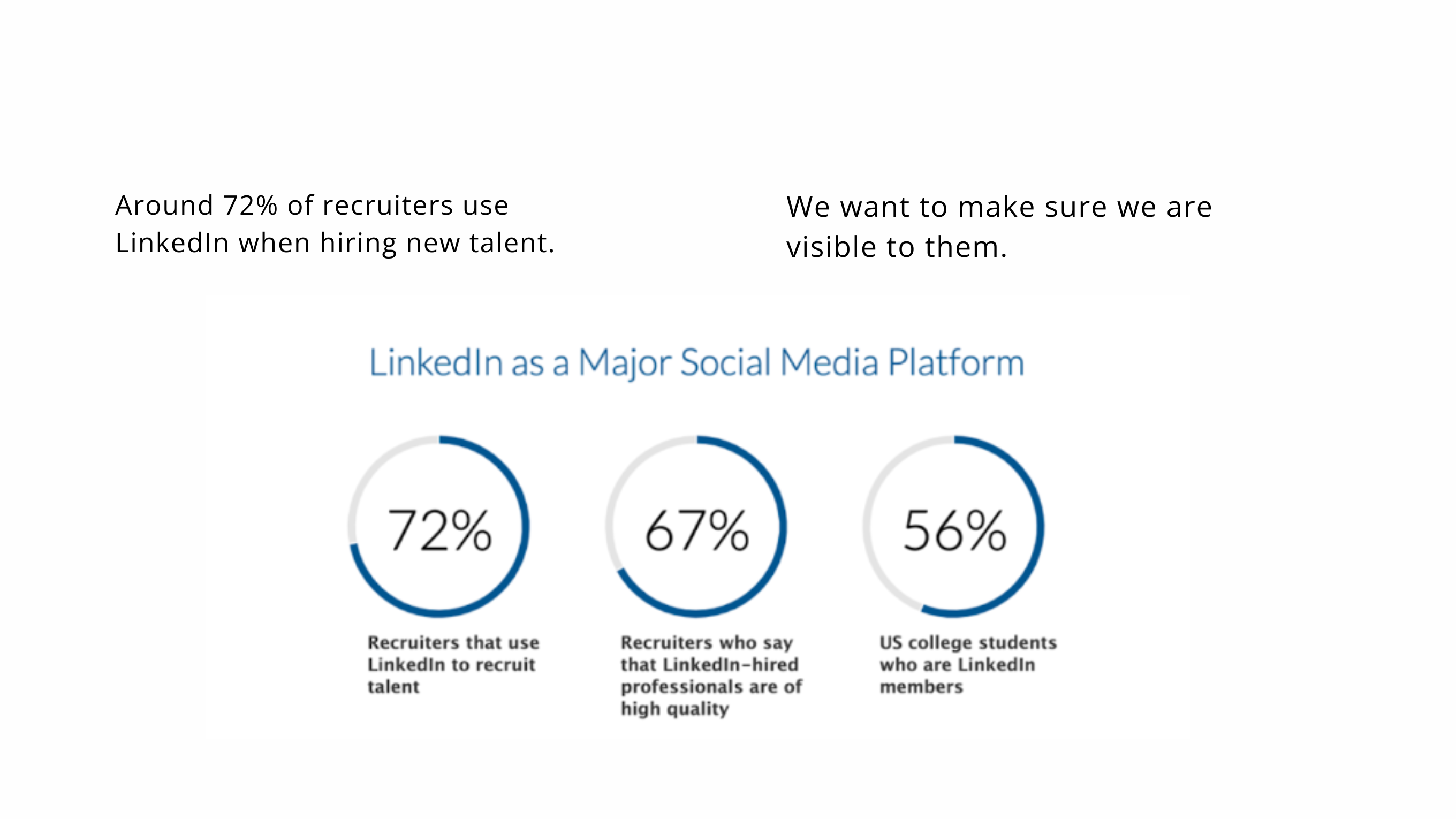
Before we start talking about the mistakes, let's go over why LinkedIn optimization is important for college students. According to recent data, 87% of recruiters use LinkedIn to screen candidates, and 72% actively search for candidates on the platform.
For first and second-generation college students, LinkedIn provides an incredible opportunity to build professional networks from scratch. This is something that may not come naturally through family connections.
However, the gap between a strong LinkedIn profile and a weak one is a few key elements that most students overlook. Let's break down exactly what's holding you back and how to fix it.
The 4 Critical LinkedIn Mistakes College Students Make
1. Not Having a Profile Picture
Your profile picture is the first impression you make on LinkedIn, yet many college students get this all wrong. The most common problems include having no profile picture at all or using photos where you're in a group and it's difficult to see you.
Then, there's also having AI-generated images that don't look like you and wearing inappropriate attire that doesn't match your target industry.
How to Fix It
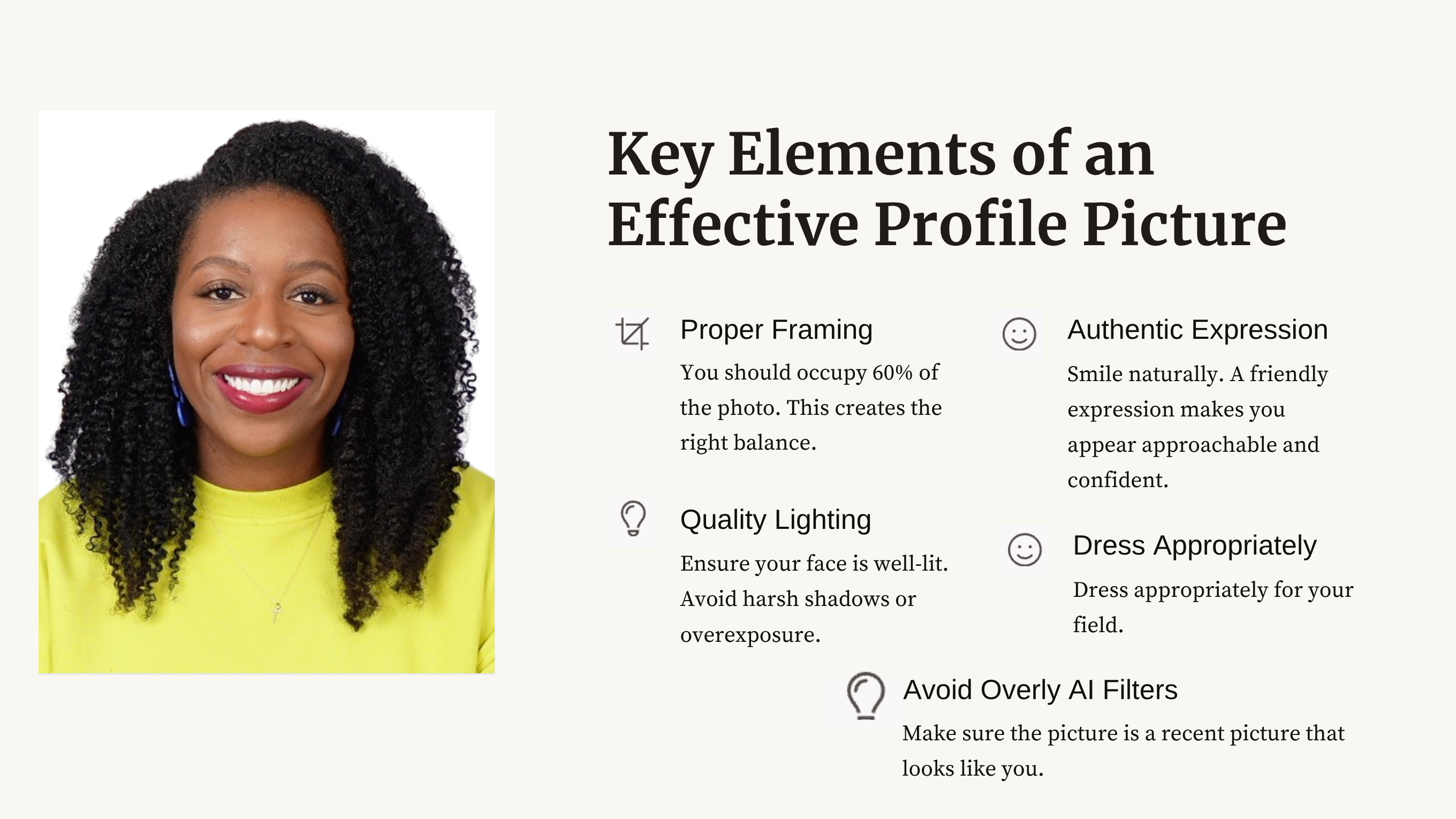
For starters, your face should take up approximately 60% of the frame so recruiters can immediately see a clear, professional image of you. Next, match your outfit to your industry.
This matters more than you think. If you're going into finance, law, or consulting, wear professional attire. But if you're targeting tech, marketing, or creative fields, business casual works just fine.
After you're done dressing up, you can ask a friend to take photos of you outside during golden hour for natural lighting. That's if you don't have money for a professional photographer.
2. Empty LinkedIn Banner Photo
That banner space at the top of your profile is incredibly valuable. It is the front door to your house. More reason it should feel welcoming and invite people in. Unfortunately, some college students either leave it blank or use random images that are unrelated to their career path.
How to Fix It
Fixing your LinkedIn banner means considering these three effective approaches:
Showcase Your Field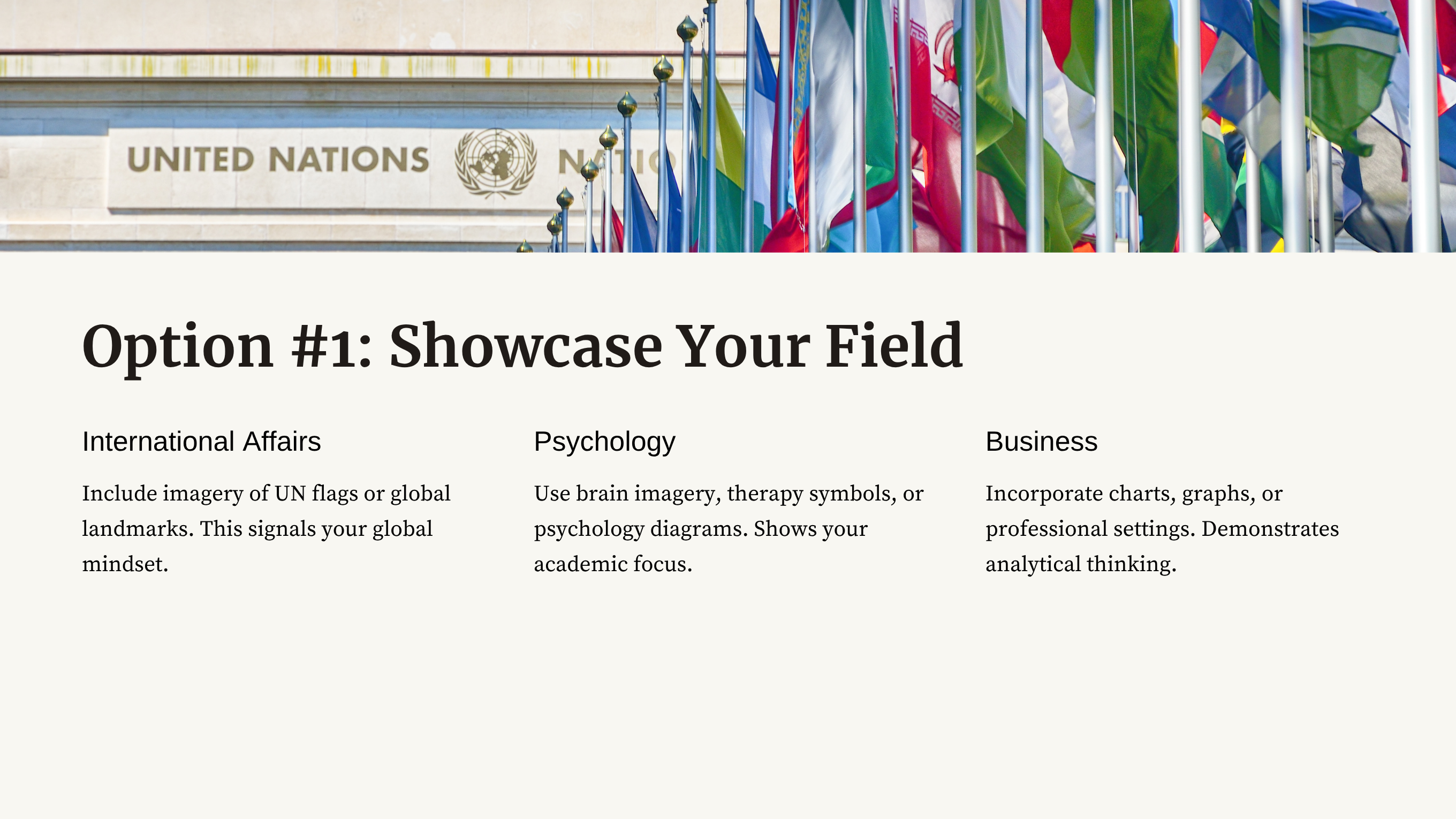
You need to choose visuals that connect to your field. Let's say you're a computer science student; you can always use a tech-inspired image. With this, your tagline can be easily seen and read.
Highlight Your Passions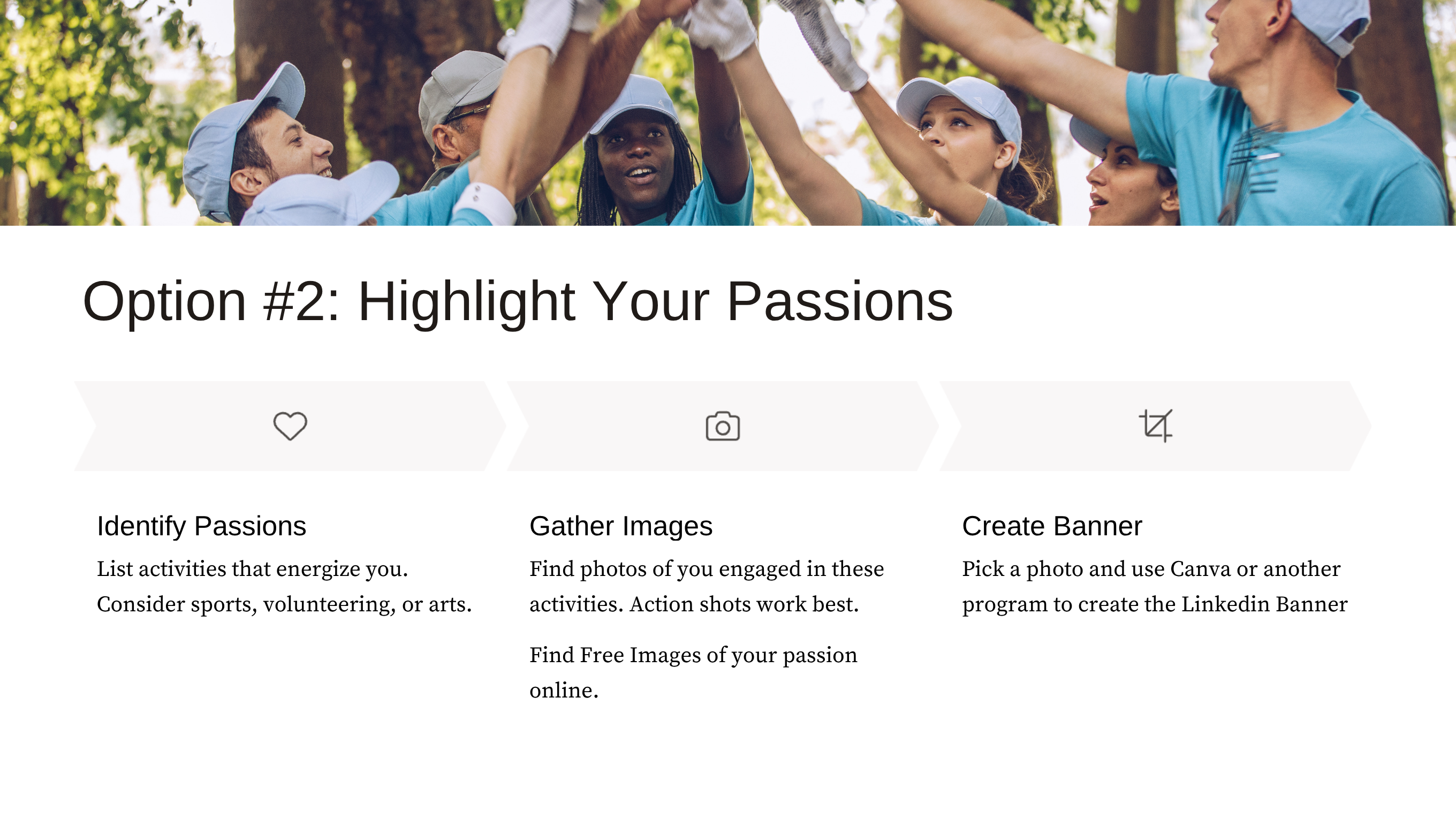
Your LinkedIn banner should showcase interests like volunteering, leadership, or community involvement. This tells people about your values and soft skills without you having to say a word.
Include Your Name and Three Keywords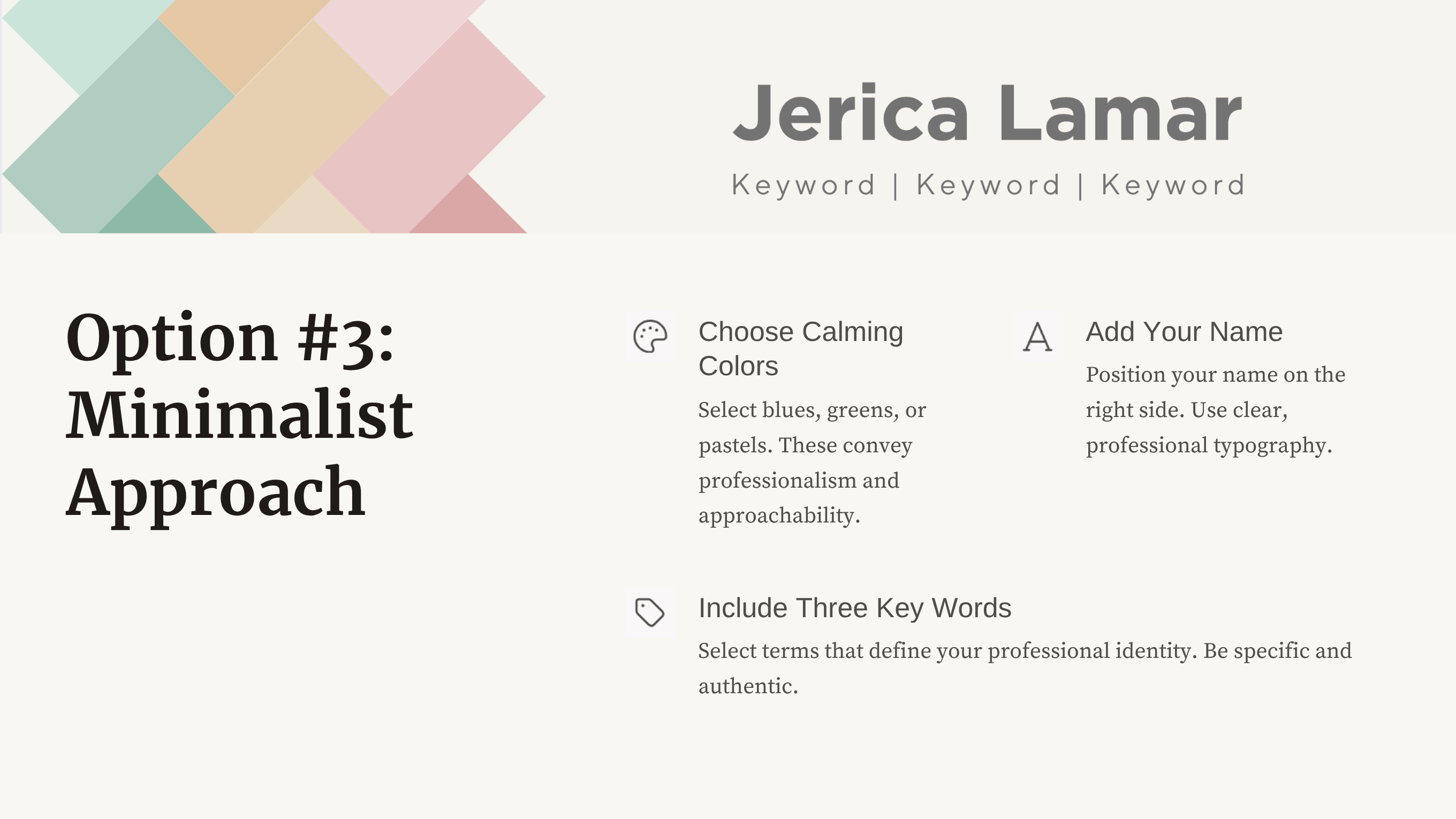
It's very important that you create a simple design that has your name and three keywords that define your professional identity.
For example:
Sarah Johnson | Data Analytics | Problem Solver | Team Leader
Meanwhile, if you want a complete checklist of how to optimize your banner and every section of your LinkedIn profile, you can sign up here and work through it at your own pace.
3. You're Not Building Your Network
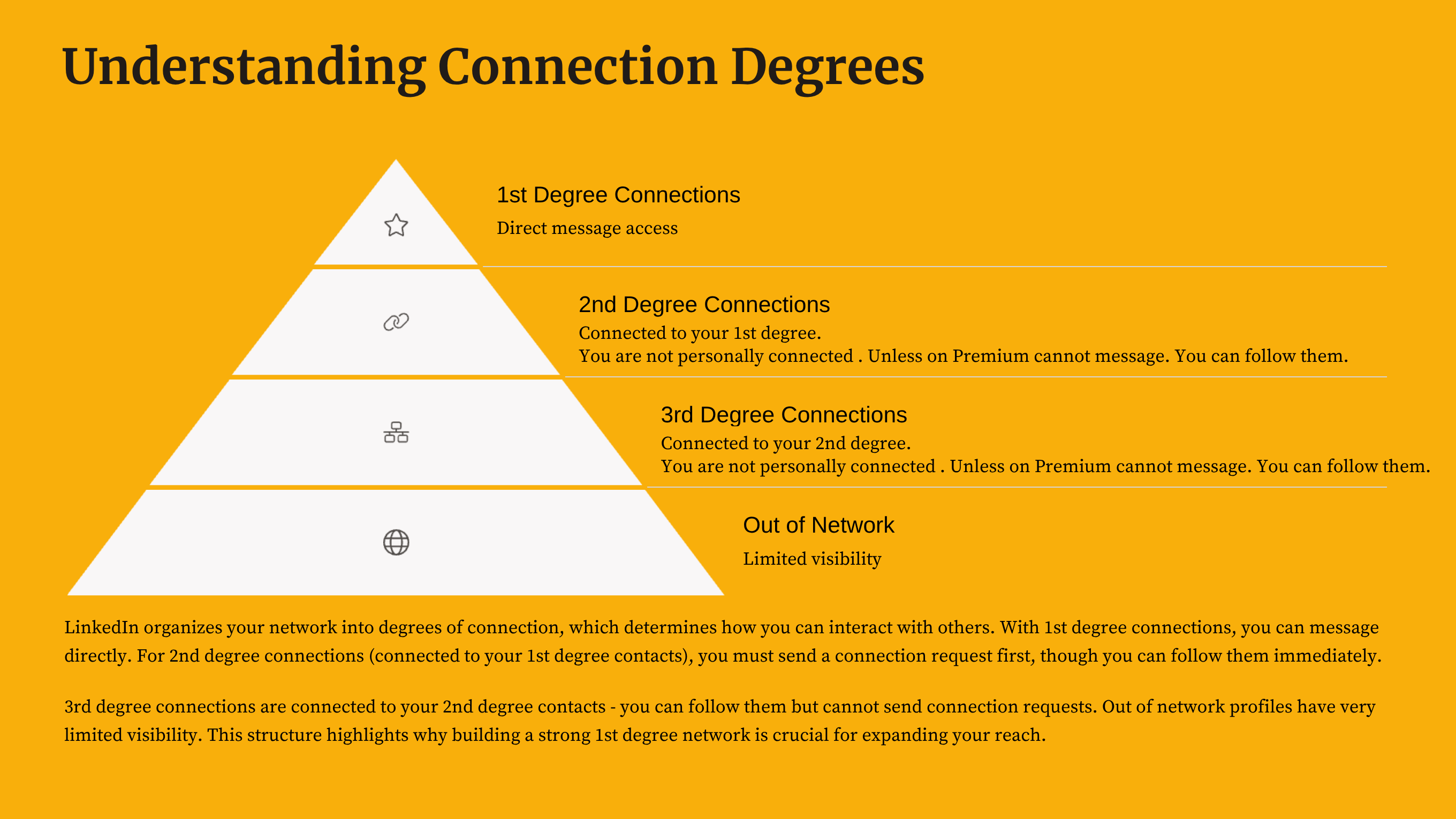
Many college students have only 1–60 LinkedIn connections, which is far too few to leverage the platform effectively. See, as a student, you're not supposed to approach LinkedIn connections the same way you approach Instagram or TikTok.
LinkedIn is a professional networking platform where the barrier to entry for connections is a bit lower. You don't need to personally know everyone you connect with. Rather, you connect with people in the same field as you.
Why am I even bothering you about connecting with humans you know nothing about? Here's what you'll gain:
- Increased Visibility: The more connections you have, the more people see your profile and content. It's that simple.
- Access to Opportunities: A lot of companies post internships and entry-level jobs that only circulate within their networks. If you're not connected, you'll never even see these opportunities.
- Industry Insights: Following professionals in your field keeps you in the loop about trends, skills, and what's actually happening in your industry.
- Network Effects: Your connections' networks become accessible to you, thereby increasing your reach.
How to Fix It
I'll advise that you start with these specific groups and aim for 10 meaningful connections per week:
- Classmates and alumni from your university (they're most likely to accept)
- Professors and academic advisors who can vouch for your work
- Professionals in your target industry who post content you find valuable
- Recruiters at companies with active internship programs
4. Your Headline Wastes Valuable SEO Space
Usually, your LinkedIn headline appears in search results, comments, messages, and at the top of your profile. Let's just say it is one of the most important SEO elements on your entire profile.
Unfortunately, most college students waste this space by using keywords that are not related to their career. While scrolling through LinkedIn last week, I came across headlines like these:
❌ Aspiring Marketing Professional
❌ College Student at [University]
❌ Student | Seeking Opportunities
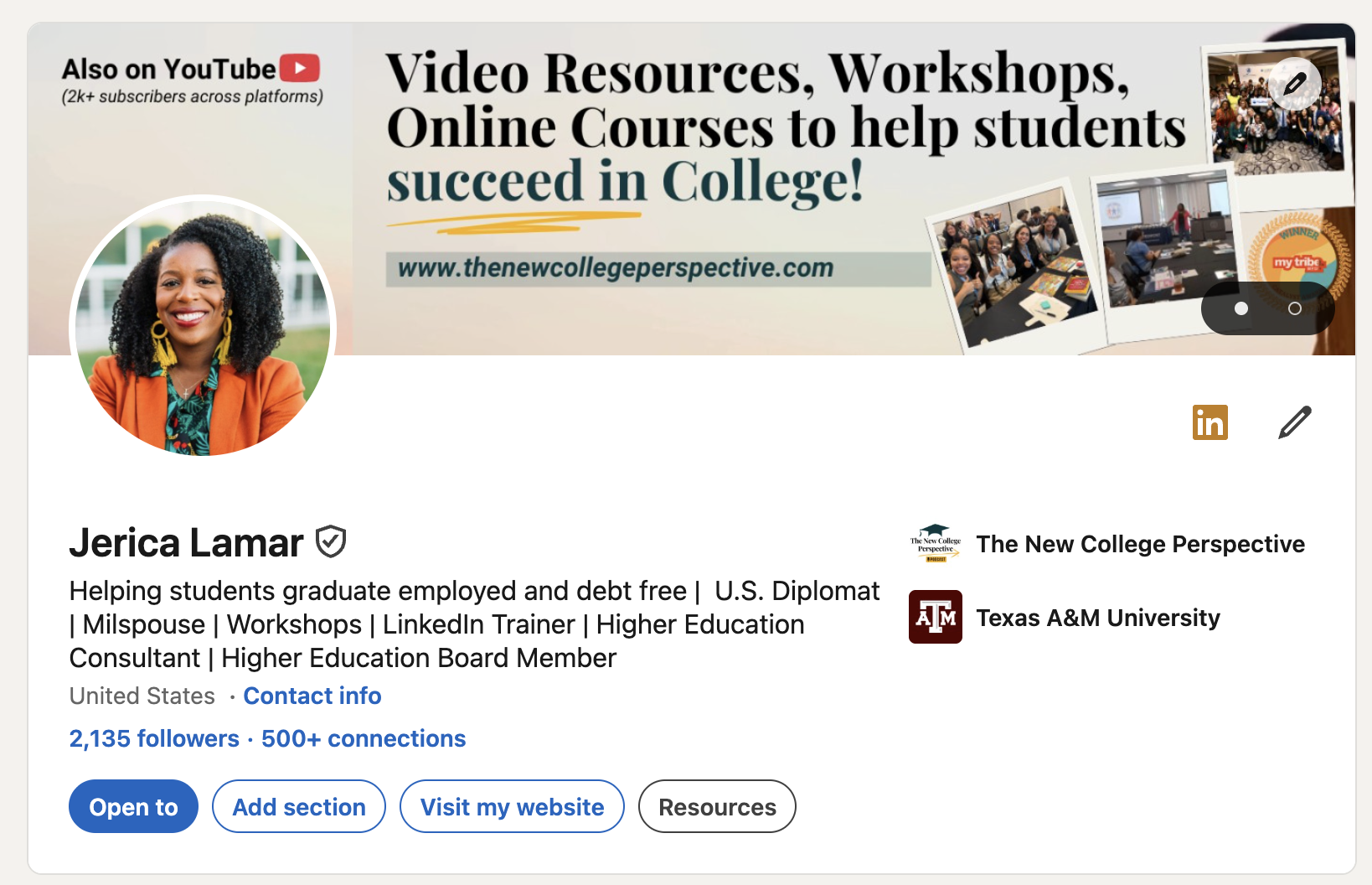
All these types of keywords won't give you any results. Do you know why? Your university logo already sits right on your profile, and your education section has done the job of showing you're a student. Even your about section probably mentions it too.
So, when you use your headline to say you're a student, you're throwing away some of the most valuable keyword space on your entire profile.
More importantly, recruiters aren't searching for "aspiring" or "college students." They use Boolean searches with specific job titles and technical skills. If those keywords aren't in your headline, you're basically invisible to them.
How to Fix This
You can fix this right away by replacing generic language with actual job titles and technical skills relevant to your target roles. One effective headline formula that I'll readily recommend is:
Target Job Title → Key Skill 1 → Key Skill 2 → Unique Value or Focus
Let me show you what this looks like:
I. Before:
College Student | Business Major
After:
Financial Analyst | Excel & Data Visualization | SGA President | Pursuing CFA
II. Before:
Aspiring Software Engineer
After:
Software Developer | Python, Java, React | Building User-Focused Applications | Deans List
III. Before:
Communications Student
After:
Public Relations Professional | Content Creator | Adobe Creative Suite | Communication Coordinator
Can you see that these approaches I've listed above position you as someone who already possesses relevant skills? It takes you off being just a beginner.
More importantly, they make your profile show up when recruiters search for those exact keywords. On the flip side, if you’re still confused or in doubt, you can watch the full video that explains everything here.
Final Thoughts
Most college students treat LinkedIn like another social media profile they'll "get to eventually." Meanwhile, recruiters are actively searching for candidates and scrolling past profiles that look exactly like yours did before reading this.
You need to fix up your LinkedIn profile and avoid those mistakes mentioned above. It’s okay when it gets overwhelming and you need help.
Check out our free LinkedIn checklist for college students!